

01
Lifting versus replacement: what each option changes
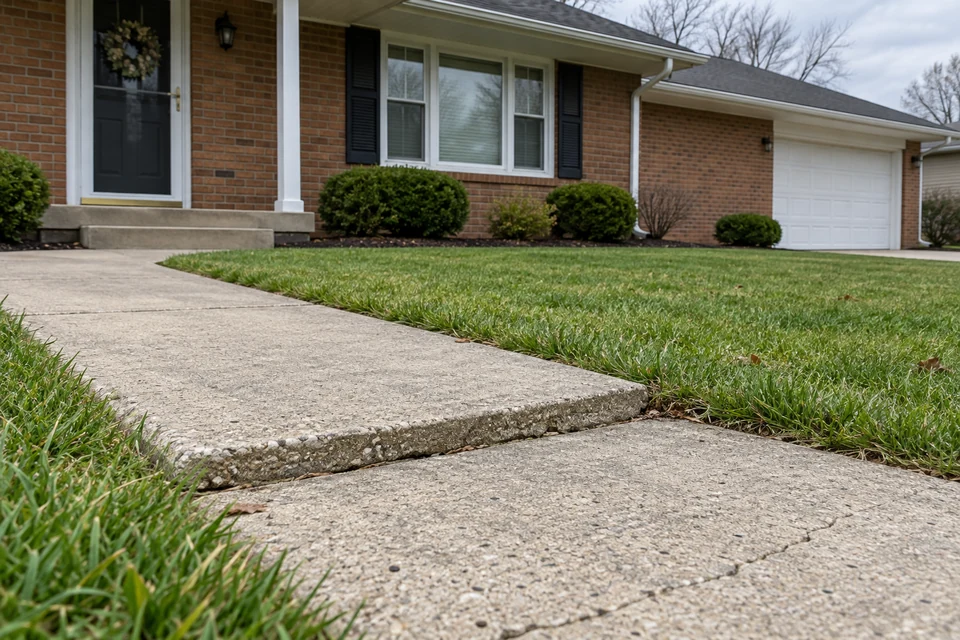
Lifting raises the settled concrete you already have. Replacement removes it and pours new concrete, which can suit a different layout or surface.
Swipe across the table to compare all columns →
| Factor | Lifting the existing slab | Replacing the slab |
|---|---|---|
| What happens to the concrete | Settled concrete is raised toward an assessed target height | Existing concrete is removed and new concrete is poured |
| Best fit | A mostly intact, uneven slab with adequate support, subject to assessment | A slab that needs removal, a new layout or a different finish |
| What to compare | Which existing cracks and surface wear will remain | The written scope for removal, pouring and finish |
02
When might lifting be unsuitable?
- Severe deterioration may point toward replacement, because lifting works with the concrete you already have.
- A planned change to the layout may favor replacement, since lifting keeps the existing slab in place.
- A largely intact but uneven slab may be a lifting candidate, but only after it has been assessed on site.
- Photos alone do not establish whether a slab can be lifted, so bring your questions to an assessment.
03
What should you ask before deciding?
A useful estimate lets you compare both paths on the same terms.
- Which existing defects will remain after the work, including cracks and surface wear.
- How water and adjoining surfaces are considered in the plan.
- What each option includes, so the written scopes can be compared side by side.
- Compare written scope rather than an assumed savings percentage.