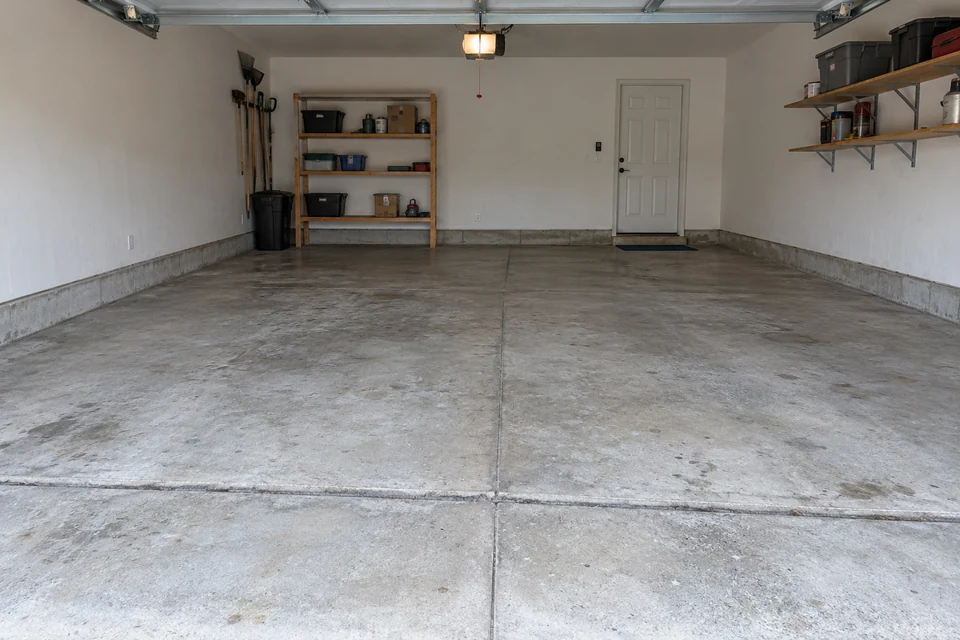

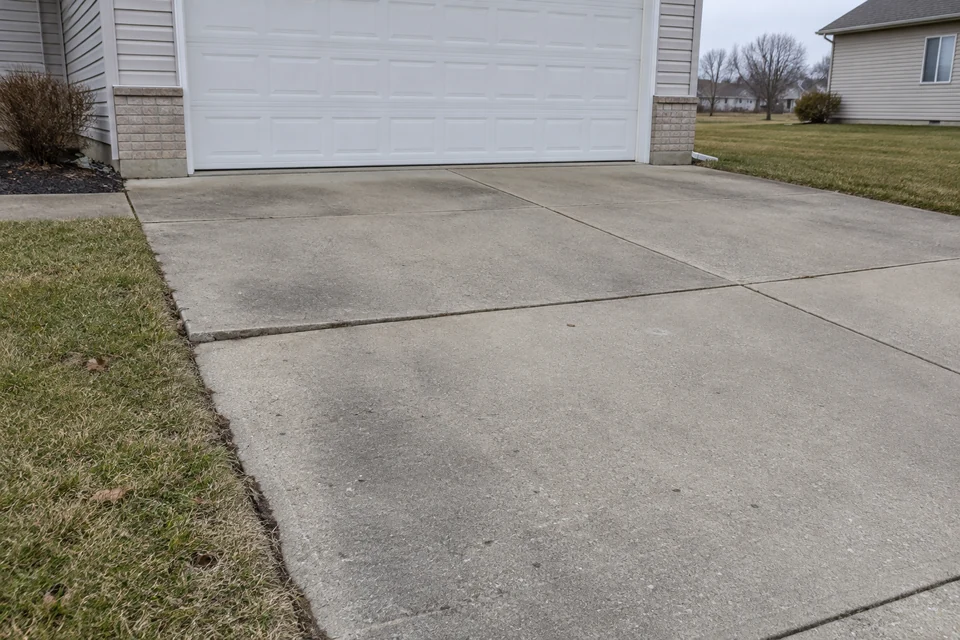
What should be checked in this area?
Start with the settled driveway panels and the garage apron, and note any visible height differences. Look at the edges where the driveway meets the lawn, the curb, or the walkway, and watch how water moves across the surface after rain.
Separate the private driveway from any approach that sits in the public right-of-way. The approach may need review from the city before work begins. Lifting also does not give you a new concrete finish, so the existing surface stays as it is.
Is lifting the right repair?
Compare the condition of the existing slab, the support beneath it, and the result you want. Lifting reuses the surface, so it works best when the concrete is mostly intact and the layout will stay the same.
Swipe across the table to compare all columns →
| Decision point | Lifting may fit when | Replacement may be worth comparing when |
|---|---|---|
| Slab condition | The panels are mostly intact and uneven rather than broken apart. | The concrete is severely deteriorated or crumbling. |
| Support and layout | The current layout works and the goal is to restore level. | You want to change the shape, slope, or footprint of the driveway. |
| Cracks and surface | You accept that existing cracks, weathering, and discoloration may remain. | You want a newly placed slab rather than the existing surface. |
What should your estimate cover?
A written estimate is only comparable when it describes your actual driveway. Ask for the proposed method, the areas included, the exclusions, and the return-to-use instructions.
- Send the exact address, the affected driveway area, and safe photos taken from accessible positions.
- Describe any access constraints, including how you park, when the driveway is needed, and whether a garage door must stay usable.
- Ask the provider to explain the proposed method and which slabs are included.
- Compare the exclusions and return-to-use instructions, and confirm that the scope addresses your property rather than a generic driveway.